Wine Tasting in Puglia: A Guide to Regional Varieties & Tasting Experiences
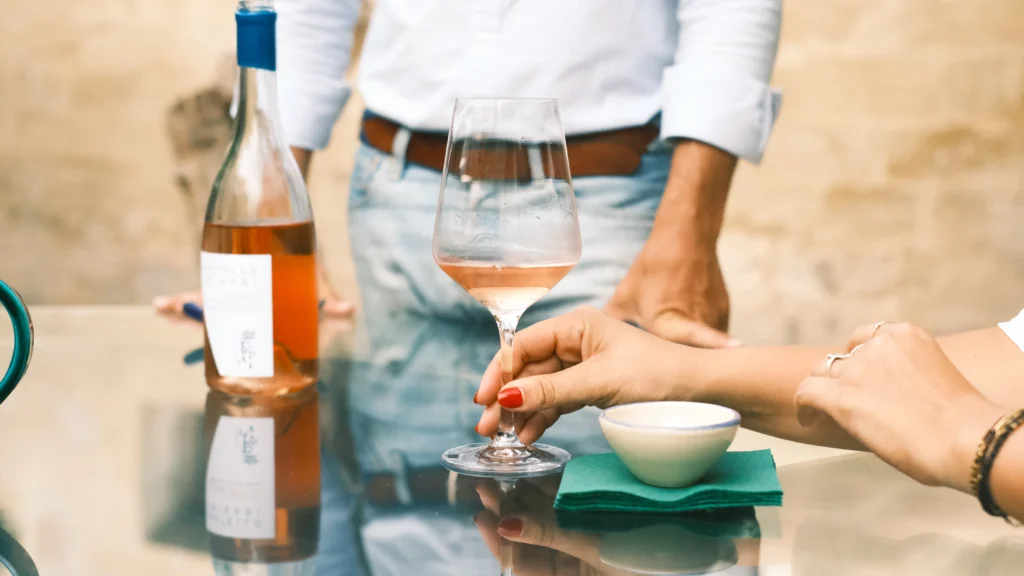
Puglia has cultivated wine for over 2,000 years. Characterised by old bush-trained vines, indigenous grape varieties, and a Mediterranean climate, the region produces reds known for their distinct structure and richness. It’s one of Italy’s largest wine-producing regions, yet it built its reputation without relying on a single dominant global label, tying its wine culture closely to daily life, local gastronomy, and regional identity.
Puglia contains several distinct wine microclimates. The northern interior produces structured reds, the central Valle d’Itria yields crisp whites, and the southern peninsula yields full-bodied Primitivo and Negroamaro.
This guide covers what makes Puglia’s wine distinctive, which wines are worth seeking out, and the best ways to experience them, from guided tastings and historic wineries to a private tasting that comes right to your villa.
Understanding Puglia’s Wine Subregions
Manduria wines in the south taste noticeably different from wines produced near Valle d’Itria or up north around Castel del Monte. Each area has its own soil, its own microclimate, and its own grapes.
What ties them together is a strong reliance on indigenous varieties. Primitivo, Negroamaro, and Nero di Troia grow almost nowhere else in the world, so the wines you taste in Puglia genuinely can’t be replicated elsewhere. That basic geography makes the rest of this guide easier to follow, and your trip easier to plan.
| Area | Wines/grapes to know | What to expect |
| Castel del Monte / Northern Puglia | Nero di Troia | Structured, aromatic reds |
| Valle d’Itria | Locorotondo (Verdeca blend) | Fresh, lighter white wines |
| Salento | Negroamaro, Salice Salentino | Rich, dark-fruited reds |
| Manduria | Primitivo di Manduria | Full-bodied, ripe, powerful reds |
Three things shape what ends up in your glass.
Warm Mediterranean climate.
Long, sunny growing seasons push grapes toward full ripeness, which is why so many Puglian reds are fruit-forward with noticeably higher alcohol than their northern-Italian counterparts.
Native grape varieties.
Primitivo, Negroamaro, Nero di Troia, and lesser-known grapes like Susumaniello built Puglia’s wine identity from grapes you won’t find growing in Piedmont or Tuscany.
Wine and food culture.
Wine in Puglia rarely stands alone. Locals pour it alongside olive oil, burrata, orecchiette, and cured meats, and that habit carries straight into how tastings are run today.
Puglia Wines to Try: A Beginner’s Guide
You don’t need to try every grape in Puglia to get a feel for what the region makes. These five wines give you a real cross-section, four reds and one white, ranging from approachable to bold.
| Wine / grape | Region | Style | Body | Key flavours | Good for |
| Primitivo | Manduria | Red | Full | Ripe berries, plum, spice | Lovers of bold, fruit-forward reds |
| Negroamaro | Salento | Red | Medium–full | Dark fruit, spice, herbs | Rich reds with more balance |
| Nero di Troia | Northern Puglia | Red | Medium–full | Dark fruit, floral, spice | More structured, food-friendly reds |
| Locorotondo | Valle d’Itria | White | Light–medium | Citrus, floral, fresh | White wine drinkers |
| Susumaniello | Salento | Red / rosé | Medium | Red fruit, spice | Something less familiar |
Notes on Varieties & Pairings
- Primitivo shares a genetic identity with California’s Zinfandel, producing high-alcohol, fruit-concentrated profiles.
- Negroamaro translates historically to “black bitter,” though some scholars link amaro to the ancient Greek word for black (mavros). It features subtle savory undertones.
- Susumaniello was nearly extinct before local winemakers revived it across Salento over the past two decades.
- Food Pairings: Pair Primitivo and Nero di Troia with grilled meats and aged cheeses (such as caciocavallo). Reserve Negroamaro for tomato-based pasta dishes, and pair Locorotondo whites with fresh seafood or mozzarella.
Beyond the Bold Reds: Puglia’s Organic Wine Trend
Alongside Puglia’s classic, full-bodied reds, a growing number of producers are turning to organic, biodynamic and low-intervention methods, farming with fewer chemical inputs and adding little in the cellar beyond what the grape provides.
Marco Ludovico farms just two hectares in the Terra delle Gravine near Mottola, working almost entirely by hand.
Masseria La Cattiva, near Sammichele di Bari, takes a similarly low-intervention approach, with some wines aged in amphora and made without added sulphites, a detail some drinkers associate with an easier morning after.
It’s still a niche corner of Apulian winemaking, but one worth knowing about if you come across a bottle on a tasting menu or a wine list.
5 Recommended Wine Experiences in Puglia
From a single-grape deep dive to a full day among Salento’s estates, these five experiences cover the different ways to taste your way through Puglia, wherever you’re staying and however much time you’ve got.
1. In-Villa Negroamaro Horizontal Tasting

A comparative tasting built entirely around Negroamaro D.O.P. Terra d’Otranto. Five labels, poured side by side, so you can taste how the same grape changes depending on cultivation area and vinification technique.
Best for: Understanding how terroir shapes a single grape.
Location: Hosted directly at your villa.
Duration: Approx. 1.5 hours.
Price: €60 per person, minimum 2 guests.
Booking: Advance booking recommended.
Why it’s worth trying: Most tastings introduce you to several different grapes at once. This one goes deeper on a single variety instead, so you leave understanding why Negroamaro tastes different from bottle to bottle, not just that it does.
What you’ll experience
- Five Negroamaro labels tasted side by side
- Different cultivation areas and vinification techniques explained
- Paired with tarallini, friselline, extra virgin olive oil, and regional products
- Hosted at your accommodation, with no travel required
Practical considerations
Because the tasting happens in-villa, this works particularly well for groups or travellers who’d rather not arrange transport to a winery after a day at the coast.
2. Primitivo di Manduria Winery & Wine Museum
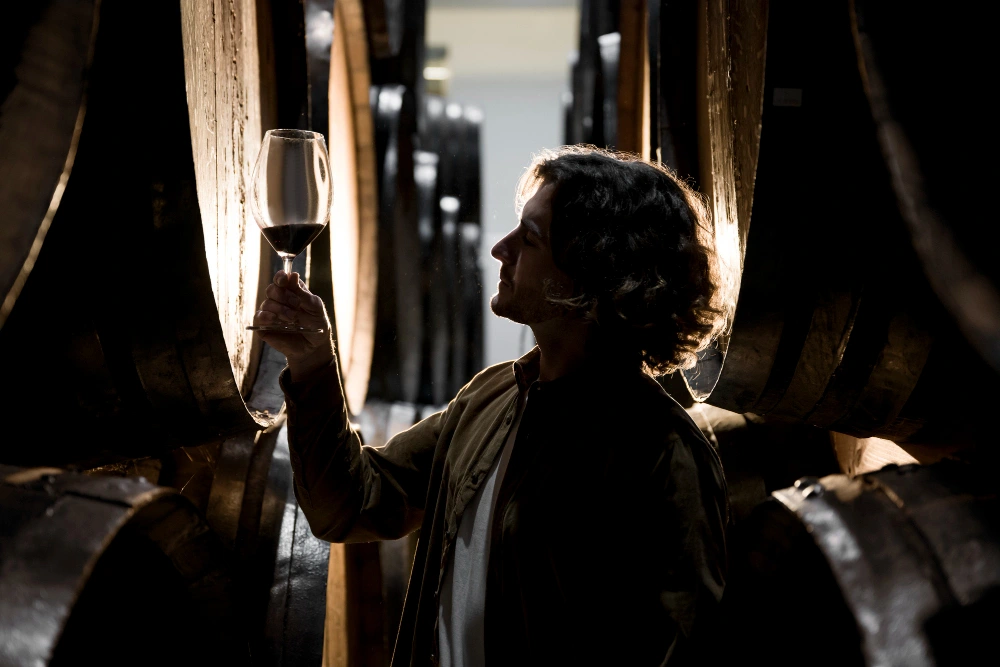
A visit to the area most associated with Primitivo, often combining a working winery tour with a small museum covering the grape’s history and winemaking traditions.
Best for: Wine history and understanding Primitivo at its source.
Location: Manduria.
Duration: Around 3 hours for a full guided tour with transport.
Why it’s worth trying: Manduria is where Primitivo reaches its fullest, most concentrated expression. Seeing the vineyards and cellars firsthand, and understanding why this specific patch of land produces such powerful wine, adds context you won’t get from a label.
3. Salento Winery Tour
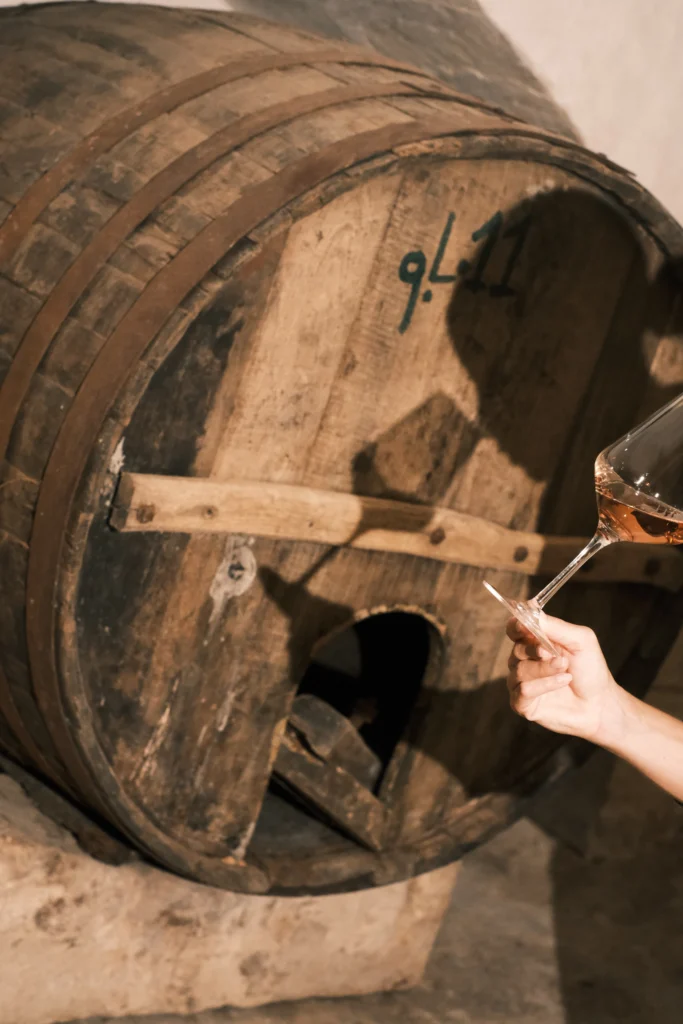
A tour through Salento’s wine country, focused on Negroamaro and Salice Salentino, usually including cellar visits at one or more family-run estates.
Best for: Experiencing traditional estate architecture and local winemaking culture.
Location: Salento, southern Puglia.
Duration: 1.5 to 3 hours, depending on the format.
Why it’s worth trying: Salento is Puglia’s largest and most varied wine subregion, and a proper tour gives you a sense of how much winemaking style shifts across it, from traditional cooperatives to boutique estates.
4. Valle d’Itria Wine Tasting
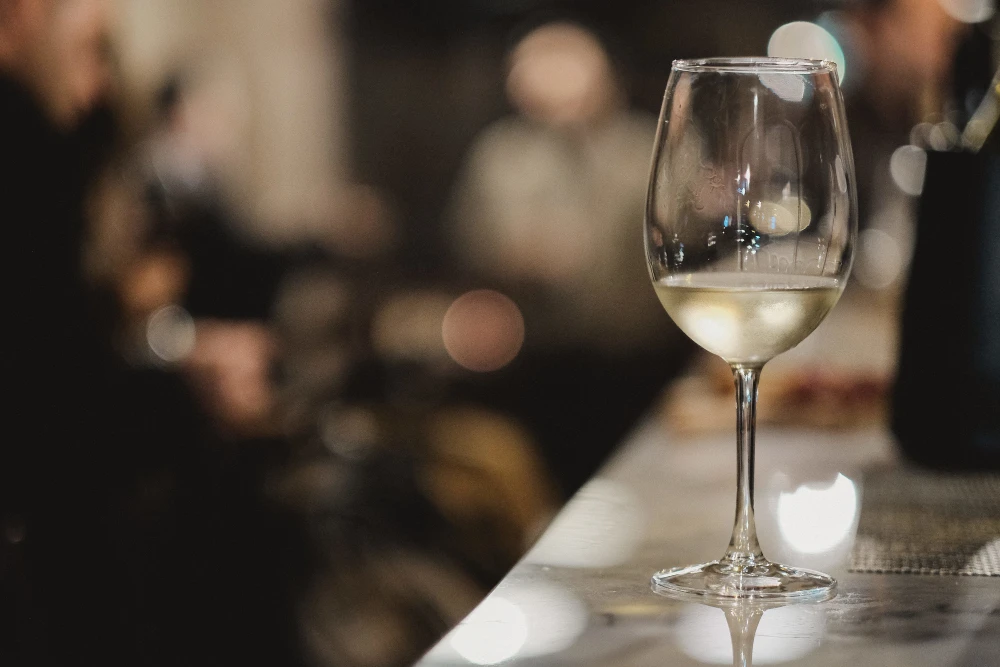
A tasting focused on the region’s whites, Locorotondo and Verdeca, set against the trulli-dotted landscape between Locorotondo, Cisternino, and Martina Franca.
Best for: White wine lovers and a change of pace from Puglia’s reds.
Location: Valle d’Itria.
Duration: 1 to 1.5 hours for a standard tasting.
Why it’s worth trying: Most visitors arrive expecting Puglia to be all bold reds, so a Valle d’Itria tasting often turns into the biggest surprise of a trip. Bright, mineral whites, set in one of the region’s most photogenic landscapes.
5. Harvest, Winery Lunch & Food-and-Wine Experiences
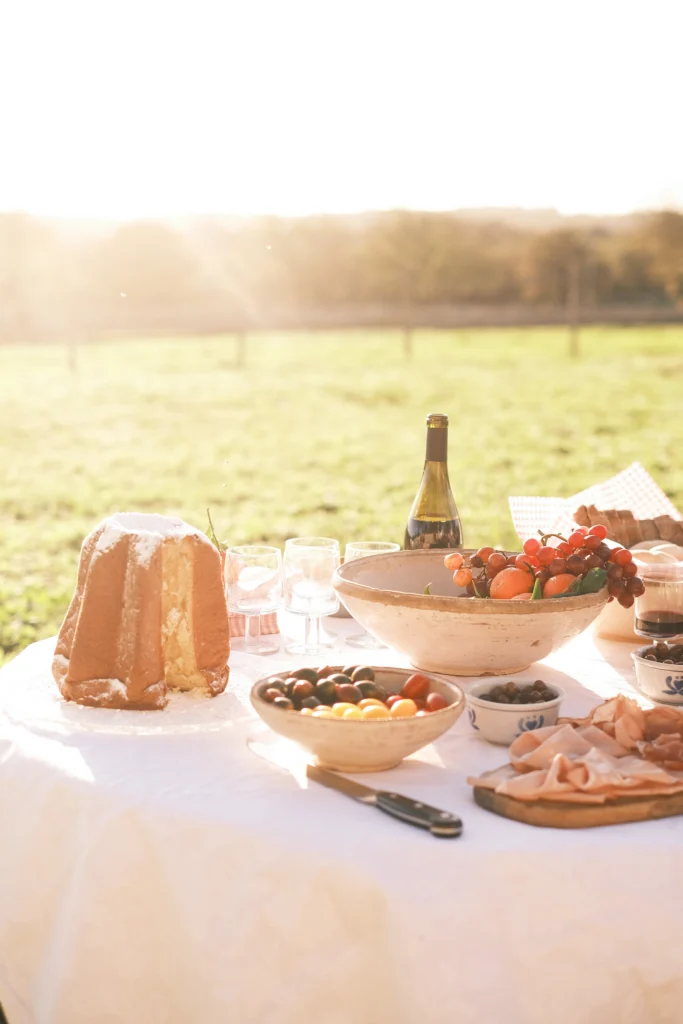
This category covers experiences built around wine as part of Puglia’s broader food culture. Think a winery lunch, a food-and-wine pairing, or, if the timing works out, a vendemmia harvest experience.
Best for: Travellers looking to experience wine within its broader agricultural and culinary setting.
Location: Various estates across Salento and Valle d’Itria.
Duration: 2–4 hours.
Why it’s worth trying: Puglian wine was made to go with food, not sipped on its own. A winery lunch or pairing experience shows you that relationship directly, and a harvest visit in September adds something most tourists never see.
Which Puglia Wine Experience Is Right for You?
The right wine experience in Puglia depends on what you want to learn and how you’d rather spend your time.
| If you… | Consider… |
| Are new to Puglia wine | A guided tasting focused on one grape at a time |
| Love Primitivo | Manduria winery and wine museum |
| Want to understand Negroamaro in depth | A horizontal tasting in Salento |
| Prefer white wine | Valle d’Itria tasting |
| Want wine paired with food | A winery lunch or pairing experience |
| Want something private and relaxed | An in-villa tasting |
| Are visiting during harvest season | A vendemmia experience |
Essential Travel & Booking FAQ
A little planning goes a long way, especially since Puglia’s wineries are spread across a fairly large area.
When is the best time of year for a wine trip to Puglia?
Puglia’s general wine tourism season runs from spring through autumn, with September standing out for anyone interested in the harvest (vendemmia). Summer is warmest and busiest. Late spring and early autumn offer more comfortable touring weather.
Do wineries require reservations?
Yes, particularly for smaller family-run wineries and private or in-villa tastings, which often have limited capacity. Larger commercial estates near Manduria are usually more flexible with walk-ins.
How do you get around?
Puglia’s wineries are spread across several subregions, so a rental car, private driver, or organised tour makes the most sense. Public transport between wine areas is limited.
Can you combine wine tasting with food?
Absolutely. Pairing wine with food is arguably the more authentic way to experience Puglia’s wines, since they were made to be tasted alongside a meal, not on their own.
How many wineries should you visit in one day?
One or two well-paced estate visits per day allow adequate time for structured tastings and travel between regions without rushing.
Arrange an In-Villa Wine Experience at Puglia Luxury Homes
Guests staying at Puglia Luxury Homes properties can book private, sommelier-led tastings directly at their villa, including the Negroamaro D.O.P. Horizontal Tasting featured above. Additional concierge options include private mixology, sommelier services, and direct estate wine deliveries.
Explore our collection of luxury villas in Puglia or contact our concierge team to configure your custom itinerary today.